Microsoft Azure: Enterprise Cloud at Global Scale
The Powerhouse of Enterprise Cloud Innovation
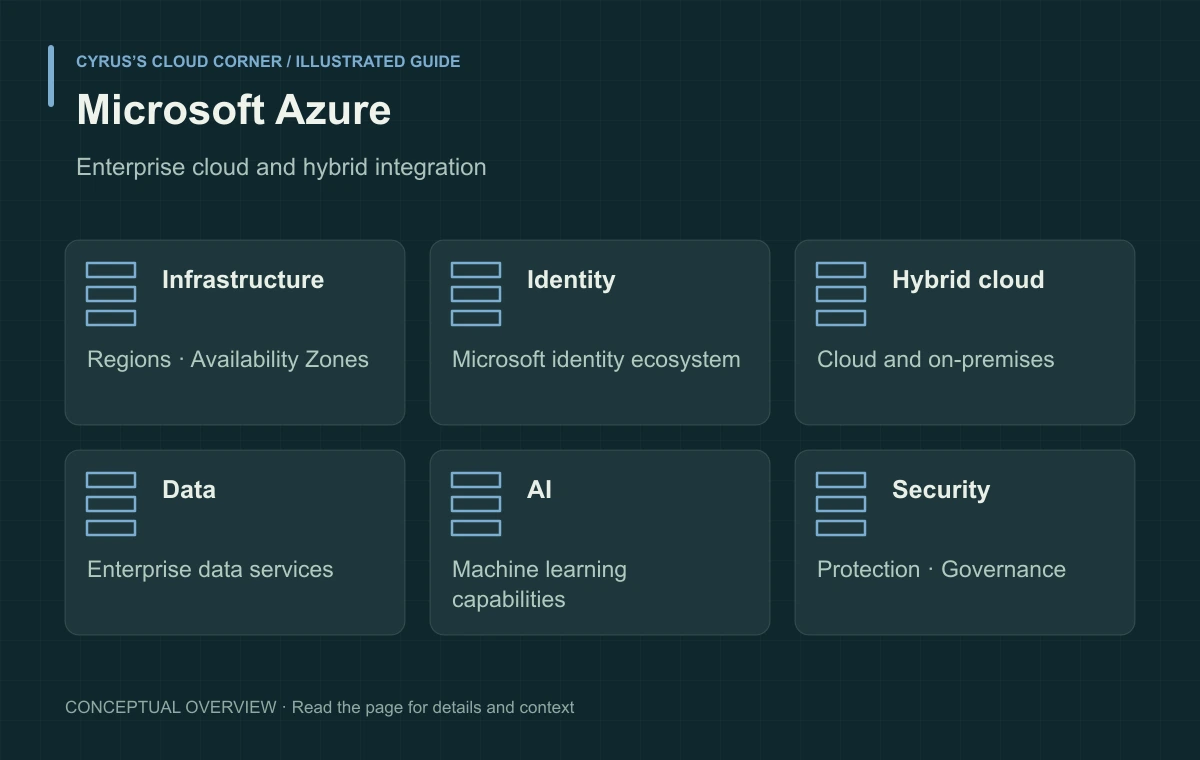
Microsoft Azure supports infrastructure, application, data, and AI workloads across cloud and hybrid environments. Evaluate its services against the architecture, residency, integration, and operating needs of each workload.
At its foundation, Azure combines Microsoft’s decades of enterprise expertise with the flexibility and scalability of cloud computing. It empowers organizations to modernize their IT environments, drive innovation, and accelerate digital transformation through a trusted, secure, and intelligent platform.
Core Services and Capabilities
Azure offers more than 200 fully integrated cloud products and services, covering every aspect of the digital landscape. These offerings are tightly aligned with Microsoft’s software ecosystem — Windows Server, SQL Server, Active Directory, and Microsoft 365 — providing seamless hybrid integration and enterprise-grade reliability.
Key service categories include:
Compute – Virtual Machines, Azure Functions, App Service, and Container Instances provide flexible, scalable compute power for diverse workloads.
Storage – Azure Blob, Disk, and Archive Storage deliver highly available and durable data storage for any scale.
Databases – Managed relational and non-relational databases including Azure SQL, Cosmos DB, and PostgreSQL enable intelligent, globally distributed data solutions.
Networking – Azure Virtual Network, Front Door, and ExpressRoute ensure secure, high-performance connectivity.
Security and Identity – Built-in security with Microsoft Defender for Cloud, Sentinel, Key Vault, and Microsoft Entra ID for zero-trust environments.
Analytics and Big Data – Synapse Analytics, Databricks, and Data Factory deliver powerful analytics and ETL capabilities for large-scale insights.
AI and Machine Learning – Azure AI, Microsoft Foundry services, and Azure OpenAI Service bring advanced artificial intelligence and generative models to developers and organizations.
DevOps and Developer Tools – Azure DevOps, GitHub Actions, and ARM templates streamline automation, CI/CD, and infrastructure as code.
Together, these capabilities make Azure one of the most comprehensive, enterprise-ready cloud ecosystems in the industry.
Global Infrastructure: Regions, Availability Zones, and Edge Network
Azure’s infrastructure is one of the most extensive in the world — offering both global scale and local presence for compliance, performance, and resilience.
Regions – Azure currently operates in over 60 regions across the globe, more than any other major cloud provider. Each region consists of multiple data centers designed for redundancy and low latency.
Availability Zones – Physically separate locations within regions that ensure high availability and disaster recovery.
Edge Zones and CDN – Extend Azure’s global footprint to the edge, bringing compute and content closer to users for faster, more secure experiences.
This distributed architecture provides enterprises with global coverage and flexibility — enabling them to meet data residency, sovereignty, and performance requirements across continents.
Azure’s Role in Modern Business Transformation
Azure has become a cornerstone of enterprise modernization and startup innovation alike.
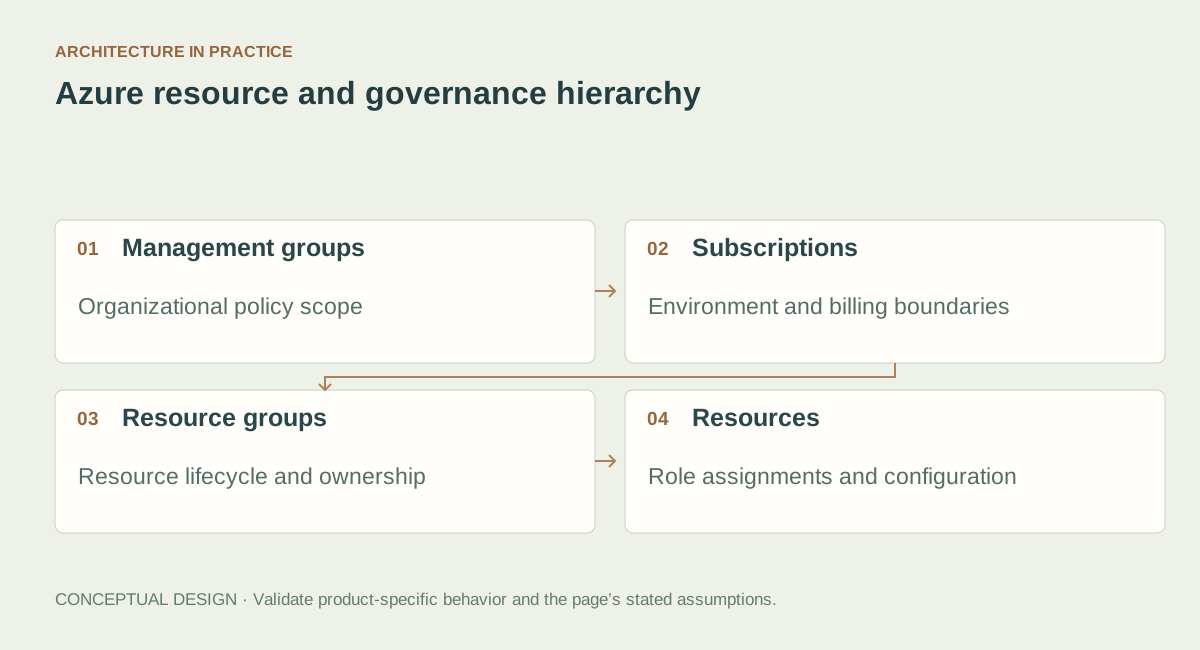
For large enterprises, Azure delivers deep integration with existing Microsoft technologies, making migration and hybrid adoption straightforward. Solutions like Azure Arc and Azure Stack allow organizations to manage hybrid and multi-cloud environments under a single control plane.
For startups and SMBs, Azure offers an accessible platform with flexible pricing, developer-friendly tools, and innovation programs that help emerging companies scale quickly. Its PaaS offerings allow small teams to deploy production-ready applications without managing underlying infrastructure.
Azure also plays a critical role in enabling industry-specific solutions — from healthcare and finance to manufacturing and government — delivering tailored compliance and automation capabilities.
Azure in Artificial Intelligence and Machine Learning
Microsoft has positioned Azure as a global leader in AI and Generative AI integration, empowering organizations to embed intelligence directly into their products and services.
Key offerings include:
Azure AI – A complete set of services for vision, speech, language, and decision-making.
Azure OpenAI Service – Provides access to advanced large language models (LLMs) such as GPT and Codex, enabling next-generation applications.
Machine Learning Studio – A visual and code-first environment for building, training, and deploying ML models.
Azure AI Search and Custom Vision – AI-driven tools for intelligent document and image understanding.
Azure’s AI strategy focuses on responsible, secure, and accessible innovation, helping organizations harness intelligence without compromising compliance or data privacy.
Conclusion: A Trusted Cloud for the Intelligent Future
Microsoft Azure stands at the intersection of cloud infrastructure, AI, and enterprise trust — delivering intelligent solutions that accelerate innovation and protect what matters most.
With unmatched global reach, strong hybrid capabilities, and deep integration across Microsoft’s ecosystem, Azure empowers organizations of every size to build securely, scale globally, and innovate faster.
From powering startups to modernizing global enterprises, Azure is not just a cloud platform — it’s the foundation for intelligent transformation in the connected digital world.

Current guidance · October 25, 2026
Service names and guidance were checked against the primary references below. Confirm regional availability, supported configurations, lifecycle notices, and shared responsibilities before applying an example to a production workload.